
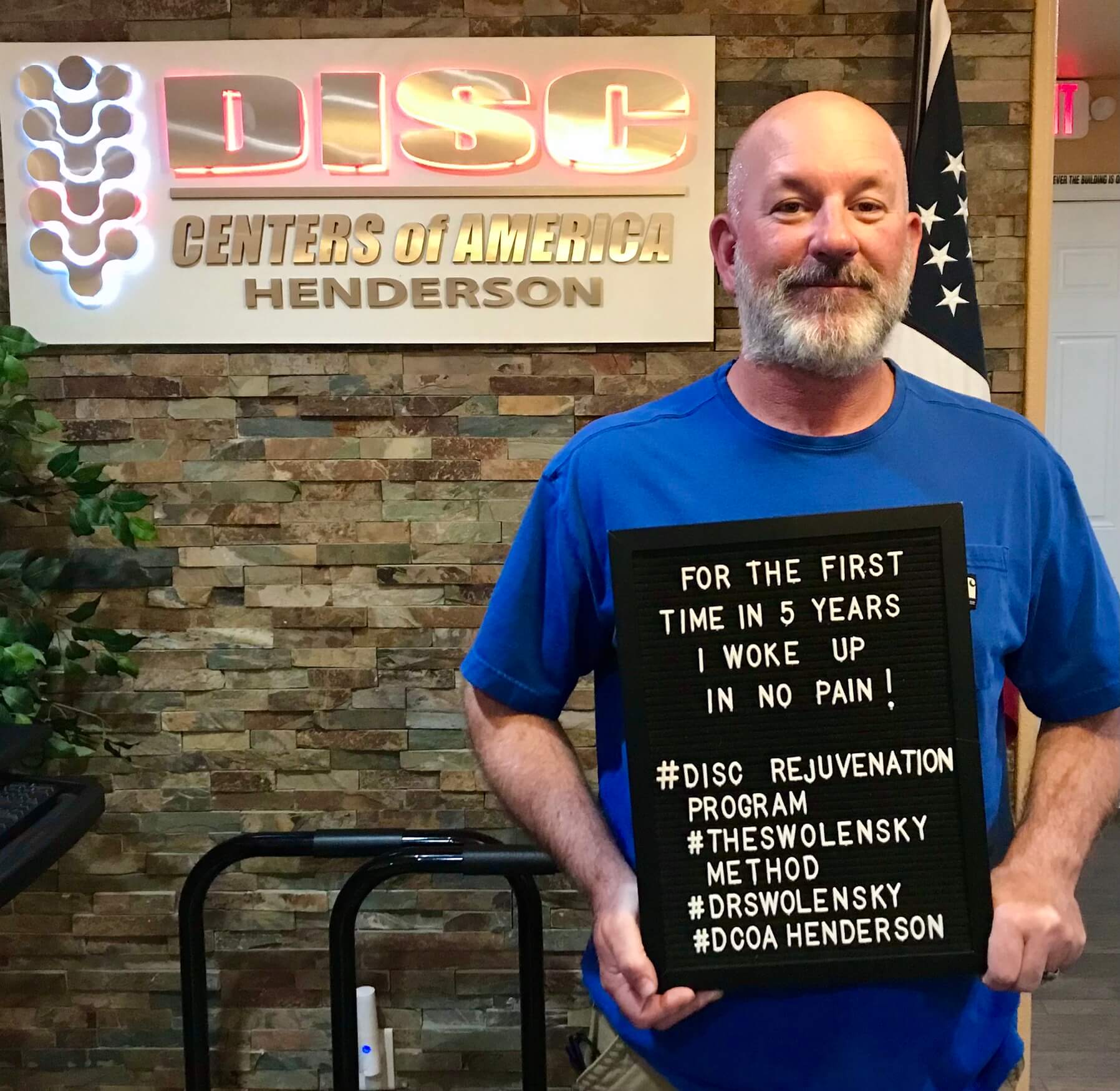
When patients suffer from chronic back pain, herniated discs, or sciatica, they are often told that surgery is their only option. However, many people do not realize that non-surgical spinal decompression may provide relief without the risks, downtime, or permanent changes associated with surgery.
Understanding the difference between spinal decompression and surgery can help you make a safer, more informed decision about your spine.
What Is Spinal Decompression?
Spinal decompression is a non-surgical, computer-controlled therapy designed to reduce pressure inside spinal discs, improve circulation, and support disc healing.
It is commonly used for:
• Herniated discs
• Bulging discs
• Degenerative disc disease
• Sciatica
• Pinched nerves
• Chronic neck and back pain
Unlike traction, true decompression varies force and angle to prevent muscle guarding and create measurable negative pressure inside the disc.
What Is Spine Surgery?
Spine surgery involves physically altering spinal structures to relieve nerve pressure. This may include:
• Discectomy (removing part of a disc)
• Laminectomy (removing bone)
• Spinal fusion (permanently joining vertebrae)
• Artificial disc replacement
While surgery can be necessary in some cases, it permanently changes spinal anatomy and carries inherent risks.
Safety Comparison: Decompression vs Surgery
Spinal Decompression
✔️ Non-invasive
✔️ No anesthesia
✔️ No incisions
✔️ No hardware
✔️ No permanent changes
✔️ Minimal risk
✔️ No downtime
Spine Surgery
⚠️ Invasive
⚠️ Requires anesthesia
⚠️ Infection risk
⚠️ Scar tissue formation
⚠️ Possible nerve damage
⚠️ Long recovery
⚠️ Failed back surgery syndrome
Why Many Surgeries Fail
Studies show that many patients continue to experience pain after surgery. This is often referred to as failed back surgery syndrome.
Common reasons:
• Scar tissue
• Nerve damage
• Altered biomechanics
• Adjacent segment degeneration
• Loss of disc height
Surgery removes tissue — it does not restore disc health.
Can Spinal Decompression Prevent Surgery?
In many cases, yes.
By reducing disc pressure, improving hydration, and calming irritated nerves, decompression may allow the body to heal without permanent structural changes.
For many patients, decompression is the safest first step.
When Is Surgery Necessary?
Surgery may be necessary if:
• There is progressive neurological loss
• There is bowel or bladder dysfunction
• There is spinal instability
• There is fracture or tumor
• There is severe compression unresponsive to care
This is why proper screening is essential.
Why Patients Choose Decompression First
Patients often choose decompression because it:
• Preserves spinal anatomy
• Avoids surgical risk
• Requires no downtime
• Is reversible
• Supports healing
Why Henderson Patients Trust Disc Centers of America – Henderson
Our clinic is one of the largest spinal decompression centers in the U.S. and the only location featuring the Swolensky Method of Disc Rejuvenation.
We focus on disc healing — not just pain masking.
Frequently Asked Questions
Is spinal decompression safer than surgery?
For most disc-related conditions, yes.
Can decompression replace surgery?
In many cases, it can delay or prevent the need for surgery.
Does decompression really work?
Many patients experience significant improvement when properly selected.
Who is not a candidate?
Certain spinal conditions require surgery — which is why screening matters.
Summary
Spinal decompression is a non-surgical therapy designed to reduce disc pressure, improve circulation, and support disc healing. Surgery is invasive and permanently alters spinal anatomy. For many disc-related conditions, decompression is the safer first option.