
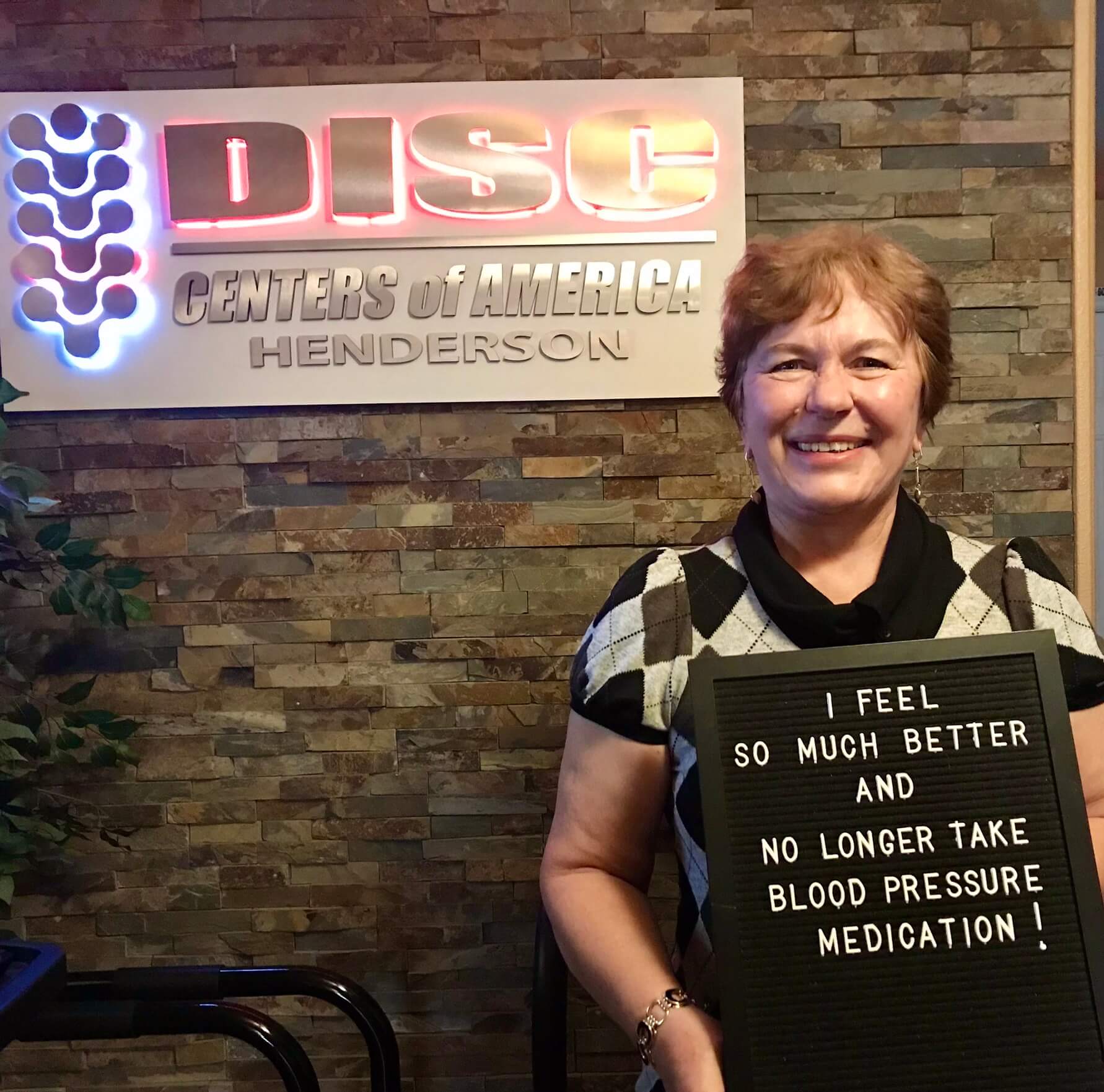
Can Spinal Decompression Help You Avoid Another Back Surgery?
Still in pain after back surgery? Learn when spinal decompression may help reduce disc pressure and avoid repeat surgery in Henderson, NV.
In selected cases, spinal decompression may help reduce internal disc pressure and nerve irritation after back surgery. While not every patient is a candidate, non-surgical decompression may be considered when persistent pain is caused by disc compression rather than severe spinal instability.
Introduction
Many patients who undergo spine surgery expect lasting relief. However, persistent or recurring pain after procedures like discectomy, laminectomy, or spinal fusion is more common than most people realize.
When symptoms continue, patients are often told they may need another surgery.
Before moving forward with revision surgery, it is important to understand whether non-surgical treatment options may still be available.
Why Pain Sometimes Returns After Back Surgery
Several structural changes can lead to ongoing symptoms after surgery.
These may include:
• Residual disc pressure
• Scar tissue formation around spinal nerves
• Degenerative disc progression
• Adjacent segment stress after fusion
• Mechanical instability
When the underlying cause is related to ongoing disc compression, certain non-surgical treatments may be considered.
What Is Non-Surgical Spinal Decompression?
Non-surgical spinal decompression is a controlled mechanical therapy designed to gently reduce pressure inside spinal discs.
By reducing internal disc pressure, decompression may help:
• Reduce nerve irritation
• Improve nutrient exchange within discs
• Decrease mechanical stress
• Promote improved disc function
This approach is different from traditional traction because it uses computer-controlled cycles designed to target disc pressure more precisely.
When Spinal Decompression May Be Considered After Surgery
Some post-surgical patients may be candidates when:
• Disc compression remains present
• There is no severe spinal instability
• Hardware complications are not present
• Nerve irritation is pressure-related
• Imaging supports disc involvement
Every case must be evaluated individually.
A detailed clinical examination and imaging review are necessary before determining whether decompression is appropriate.
When Decompression May NOT Be Recommended
Spinal decompression may not be appropriate when:
• Severe spinal instability exists
• Surgical hardware failure is present
• Significant spinal fractures are present
• Advanced spinal deformity exists
Proper patient selection is essential.
Decompression vs Another Surgery
Revision surgery may sometimes be necessary, particularly when there is structural collapse or instability.
However, additional surgeries can involve:
• Increased scar tissue formation
• Longer recovery periods
• Higher complication risk
• Reduced success rates with each additional procedure
Because of these factors, many patients seek evaluation of non-surgical options first.
What to Expect During a Decompression Evaluation
A comprehensive evaluation typically includes:
• Detailed symptom history
• Physical examination
• MRI or imaging review
• Assessment of spinal stability
• Identification of pain generators
The goal is to determine the most appropriate treatment pathway based on the patient’s unique condition.
Spinal Decompression Evaluation in Henderson, NV
Patients in Henderson, Nevada who continue to experience back or leg pain after spine surgery may seek evaluation to determine whether non-surgical disc-focused treatment options are appropriate.
Each case requires individualized assessment and imaging review.
FAQ Section
Can spinal decompression help after back surgery?
In selected cases, decompression may help reduce disc pressure and nerve irritation if persistent compression remains and spinal instability is not severe.
Is spinal decompression safe after spinal fusion?
Some post-fusion patients may still be candidates depending on spinal stability and imaging findings. Evaluation is necessary.
Can spinal decompression prevent another surgery?
For certain patients, reducing disc pressure and improving mechanical balance may help delay or avoid additional surgery.
Who should not get spinal decompression?
Patients with severe spinal instability, fractures, or hardware complications may require surgical evaluation instead.
Author: Dr. Darrell C. Swolensky, D.C.
Clinic: Disc Centers of America – Henderson
Location: Henderson, Nevada
Specialty: Non-Surgical Disc Treatment