Degenerative Disc Disease Explained
What It Is, Why It Happens, and How Non-Surgical Disc Care Can Help
Degenerative disc disease is one of the most common causes of chronic back and neck pain. Despite the name, it is not technically a “disease.” Instead, it describes the gradual breakdown of spinal discs that occurs over time. That’s the reason for Degenerative Disc Disease Explained.
The spinal discs act as cushions between the vertebrae of the spine. These discs absorb shock, maintain flexibility, and allow the spine to move smoothly. When discs begin to deteriorate, they lose their ability to support the spine properly. This can lead to pain, stiffness, nerve irritation, and reduced mobility.
Many people in their 30s, 40s, and beyond experience some degree of disc degeneration. However, when the degeneration becomes severe enough to cause symptoms, it may be diagnosed as degenerative disc disease (DDD). The solution… Non-Surgical Treatment in Henderson NV
What Happens During Disc Degeneration?
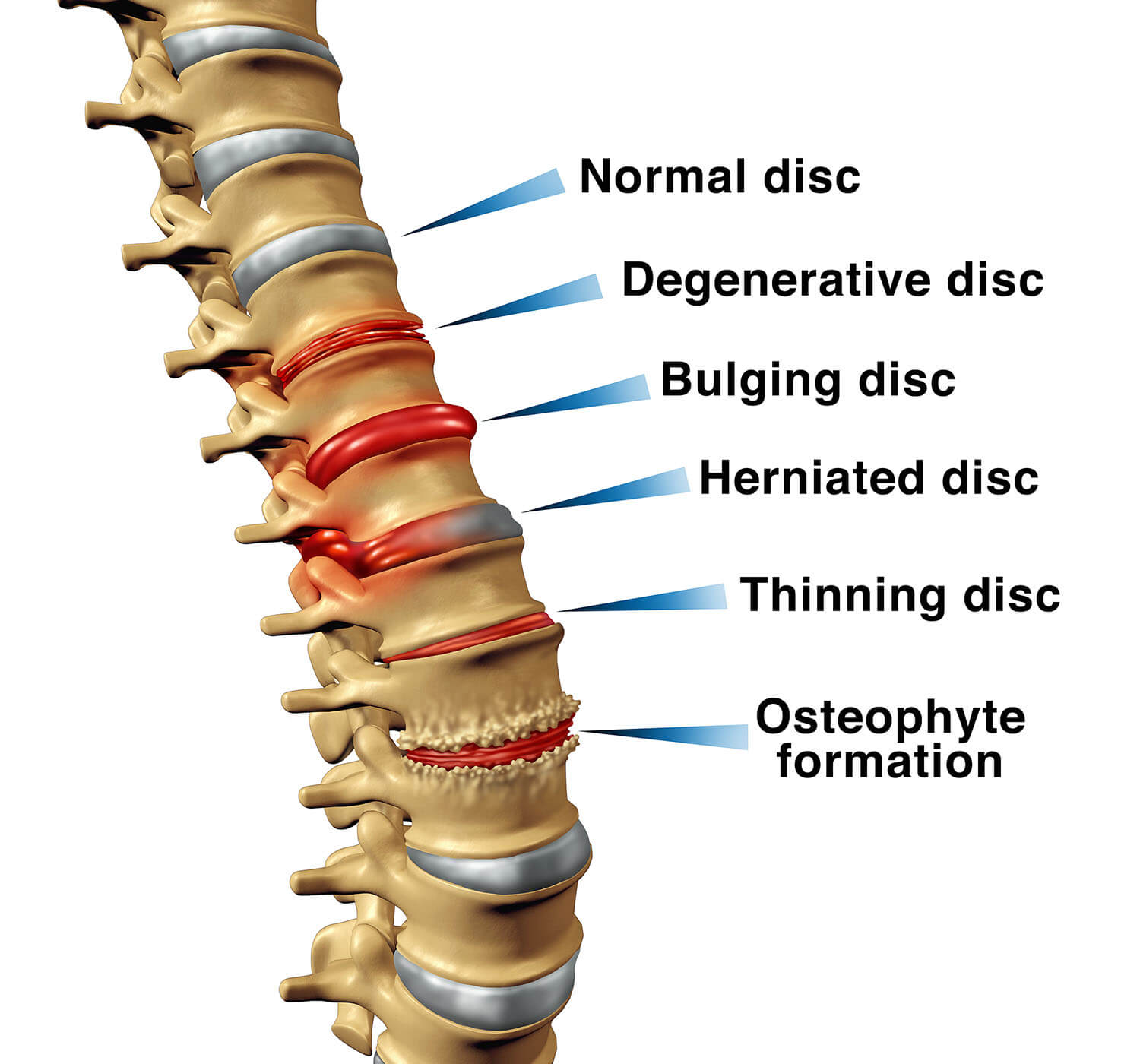
Disc degeneration occurs when spinal discs lose hydration and height over time.
Healthy spinal discs contain a high amount of water and act like shock-absorbing cushions between the vertebrae.
Over time, several changes may occur:
• Discs lose hydration
• The disc height decreases
• Small tears may develop in the outer disc wall
• The disc may bulge or herniate
• Nearby nerves can become irritated or compressed
As the disc space narrows, the spine may also experience increased mechanical stress, which can contribute to arthritis, bone spurs, and chronic inflammation. Degenerative Disc Disease Explained!
Common Symptoms of Degenerative Disc Disease
Symptoms can vary depending on which part of the spine is affected and how severe the degeneration has become.
Typical symptoms include:
• Chronic lower back pain
• Neck pain or stiffness
• Pain that worsens with sitting or bending
• Pain that improves with movement or walking
• Radiating pain into the arms or legs
• Numbness or tingling from nerve irritation
• Reduced spinal flexibility
In many cases, patients notice that their pain develops slowly over years or decades, rather than appearing suddenly.
What Causes Degenerative Disc Disease?
Disc degeneration is often part of the natural aging process, but several factors can accelerate it.
Common contributing factors include:
• Aging and loss of disc hydration
• Repetitive spinal stress
• Previous injuries
• Poor posture
• Heavy lifting or physical strain
• Genetics
• Sedentary lifestyle
Even small mechanical imbalances in the spine can gradually increase disc pressure and accelerate degeneration.
The Connection Between Degenerative Disc Disease and Herniated Discs
Degenerating discs are more vulnerable to injury.
When a disc loses hydration and structural integrity, the outer disc wall can weaken. This may allow the inner gel-like material to push outward, creating a bulging or herniated disc.
Herniated discs can irritate nearby spinal nerves, leading to conditions such as:
• Sciatica
• Cervical radiculopathy
• Arm or leg pain
• Nerve tingling or numbness
For this reason, degenerative disc disease is often associated with several other spinal conditions.
Non-Surgical Treatment Options
Many patients assume surgery is the only solution for degenerative disc disease, but that is rarely the first step.
Conservative care options may include:
• Targeted spinal decompression
• Chiropractic spinal correction
• therapeutic rehabilitation
• cold laser therapy
• anti-inflammatory strategies
• lifestyle modifications
The goal of conservative treatment is to reduce disc pressure, improve spinal mechanics, and support the healing environment around the discs.
A Non-Surgical Approach to Disc Care
At Disc Centers of America – Henderson, treatment focuses on restoring spinal function and reducing disc pressure using advanced non-surgical spinal decompression protocols.
Dr. Darrell C. Swolensky developed the Swolensky Method of Disc Rejuvenation, a comprehensive approach designed to help patients suffering from chronic disc conditions such as:
• degenerative disc disease
• bulging discs
• herniated discs
• sciatica
• chronic spinal pain
By gently relieving pressure inside the spinal discs, decompression therapy may help support circulation, nutrient exchange, and improved disc function.
Many patients seek this type of care when they want to explore non-surgical options before considering invasive procedures.
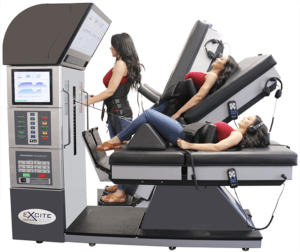
Patient receiving DRX9000 spinal decompression therapy for herniated disc, degenerative disc and sciatica
When to Seek Evaluation for Degenerative Disc Disease
If you are experiencing persistent back pain, stiffness, or radiating nerve symptoms, it may be time for a comprehensive spinal evaluation.
Early intervention can often help prevent worsening degeneration and improve long-term spinal health.
A proper evaluation typically includes:
• detailed health history
• orthopedic and neurological examination
• imaging review such as MRI when appropriate
• personalized care recommendations
Understanding the root cause of spinal pain is the first step toward choosing the right treatment approach.
Final Thoughts
Degenerative disc disease is extremely common, but it does not mean that chronic pain must become a permanent part of life.
With proper diagnosis and conservative care, many patients are able to manage symptoms, improve mobility, and maintain an active lifestyle.
If you are struggling with chronic back or neck pain related to disc degeneration, exploring non-surgical treatment options may be an important step toward recovery.
If you are looking for non-surgical treatment for degenerative disc disease in Henderson, schedule a consultation with Disc Centers of America – Henderson to learn more about advanced spinal decompression options.
📞 (702) 565-7474
🌐 drswolensky.com
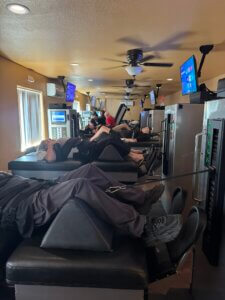
Patient receiving DRX9000 spinal decompression therapy for herniated disc and sciatica at Disc Centers of America-Henderson in Nevada
Author: Dr. Darrell C. Swolensky, D.C.
Clinic: Disc Centers of America – Henderson
Location: Henderson, Nevada
Specialty: Non-Surgical Disc Treatment