
What Actually Happens Inside a Spinal Disc During Spinal Decompression?
Featured Snippet Answer
During spinal decompression, controlled mechanical forces gently stretch the spine, which may reduce pressure inside spinal discs. This decrease in internal disc pressure may help relieve pressure on spinal nerves and promote the movement of nutrients, oxygen, and fluids into the disc.
Introduction
Spinal discs play a critical role in supporting movement and absorbing forces placed on the spine. When these discs become compressed, damaged, or degenerated, they can place pressure on nearby nerves and cause significant pain.
Spinal decompression therapy is designed to reduce this pressure by gently stretching the spine in a controlled manner.
Understanding what happens inside the disc during decompression helps explain why reducing disc pressure can be an important part of managing certain spinal conditions.
Understanding the Structure of a Spinal Disc
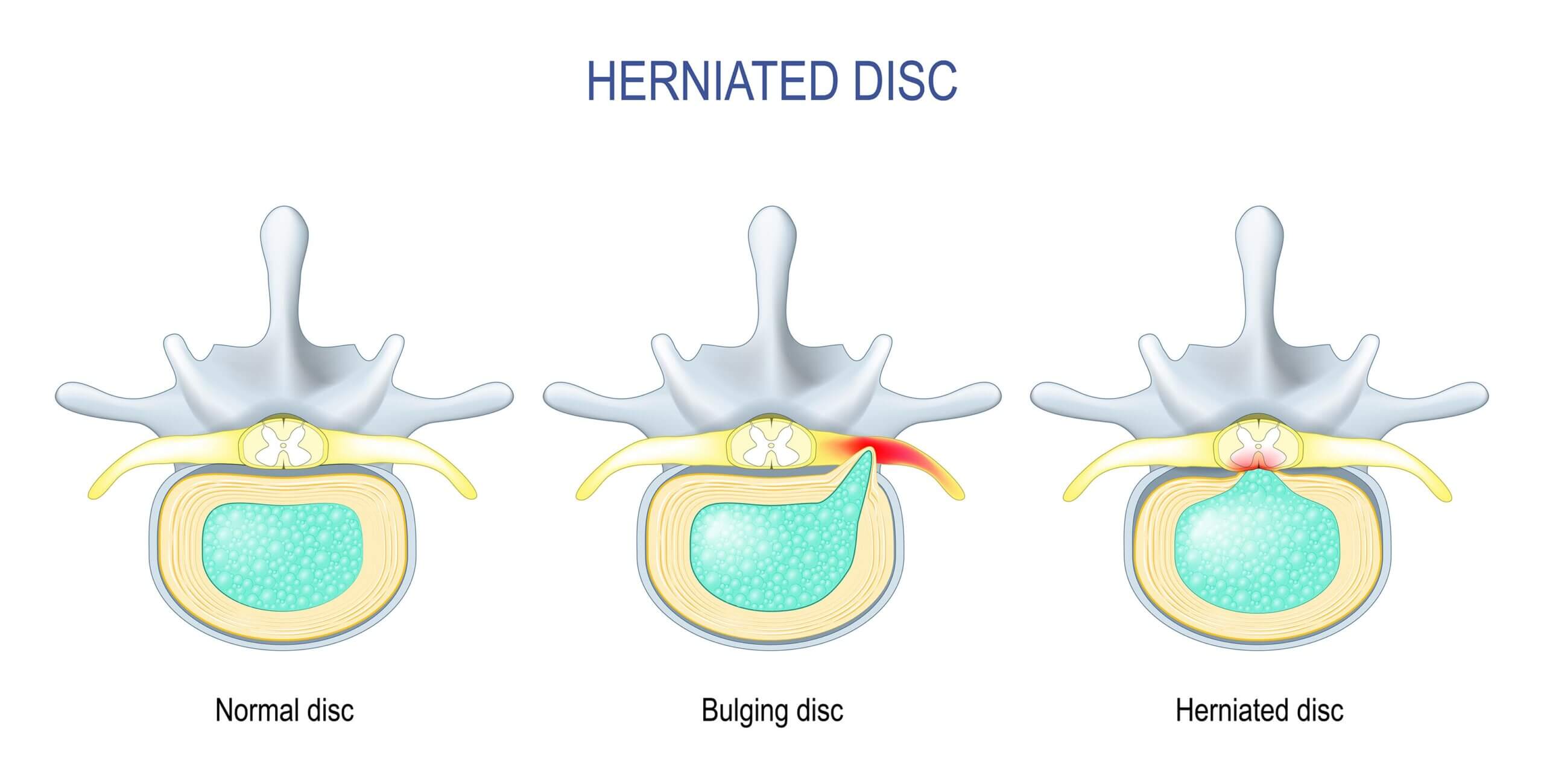
A spinal disc is composed of two primary structures:
Annulus Fibrosus
The outer layer of the disc made of strong fibrous tissue that provides structural support.
Nucleus Pulposus
The gel-like center of the disc that acts as a shock absorber and helps distribute forces across the spine.
Healthy discs rely on movement and pressure changes to help circulate nutrients because they do not have a direct blood supply.
What Happens When Disc Pressure Increases
Over time, spinal discs can experience increased pressure due to:
• Prolonged sitting
• Repetitive lifting
• Disc degeneration
• Injury or trauma
When internal disc pressure rises, several things may occur:
• The disc may bulge or herniate
• Nerves may become compressed
• Inflammation may develop
• Pain signals may increase
Reducing this pressure is often a key goal in conservative spine care.
How Spinal Decompression Reduces Disc Pressure
Spinal decompression therapy uses controlled mechanical stretching to create changes in spinal pressure.
During treatment, the spine is gently elongated in a computer-controlled pattern.
This process may create:
• Temporary reduction of intradiscal pressure
• Increased space between vertebrae
• Reduced mechanical stress on spinal nerves
These pressure changes may help relieve symptoms associated with nerve compression.
The Role of Negative Intradiscal Pressure
One concept often discussed in decompression therapy is negative intradiscal pressure.
When spinal segments are gently separated, pressure inside the disc may decrease.
This pressure reduction may help:
• Reduce bulging disc material
• Improve fluid exchange inside the disc
• Support disc nutrition
While results vary between patients, this mechanism is one reason decompression therapy has been studied for certain disc conditions.
Nutrient Movement Into the Disc
Because spinal discs lack a direct blood supply, they depend on a process called diffusion for nutrition.
Changes in spinal pressure may help facilitate the movement of:
• Oxygen
• Water
• Nutrients
Improved nutrient exchange may support disc health and tissue recovery.
Conditions Associated With Disc Compression
Several common spinal conditions involve increased disc pressure.
These include:
• Herniated discs
• Bulging discs
• Degenerative disc disease
• Sciatica
• Spinal stenosis
Understanding the role of disc pressure helps guide treatment strategies.
When Spinal Decompression May Be Considered
Some patients with disc-related conditions may be evaluated for non-surgical therapies designed to reduce mechanical pressure on spinal structures.
Treatment decisions depend on many factors including:
• Imaging findings
• Severity of symptoms
• Spinal stability
• Overall health
A detailed evaluation helps determine whether decompression therapy may be appropriate.
Spinal Decompression Evaluation in Henderson, NV
Patients in Henderson, Nevada experiencing persistent back or leg pain may seek evaluation to determine whether disc pressure or nerve compression may be contributing to their symptoms.
Careful examination and imaging review can help identify the most appropriate treatment pathway.
FAQ Section
What is intradiscal pressure?
Intradiscal pressure refers to the pressure inside the spinal disc. Increased pressure can contribute to disc bulging, herniation, and nerve compression.
How does spinal decompression reduce disc pressure?
Spinal decompression gently stretches the spine, which may temporarily reduce pressure inside spinal discs and increase space between vertebrae.
Can decompression help a herniated disc?
In some cases, reducing pressure inside the disc may help relieve nerve compression associated with certain disc conditions.
How long does spinal decompression therapy take?
Treatment plans vary depending on the condition being treated and individual patient factors.
Internal Links
Author
Author: Dr. Darrell C. Swolensky, D.C.
Clinic: Disc Centers of America – Henderson
Location: Henderson, Nevada
Specialty: Non-Surgical Disc Treatment