Failed Back Surgery: What Are Your Options?
If you continue to experience pain after back surgery, your options may include conservative care, targeted rehabilitation, spinal cord stimulation, revision surgery, or carefully selected non-surgical spinal decompression. The right choice depends on the cause of persistent pain and imaging findings.
INTRODUCTION
Being told you need a second back surgery can feel overwhelming.
Many patients undergo procedures such as discectomy, laminectomy, or spinal fusion expecting permanent relief — only to experience continued or returning pain months or years later.
If this has happened to you, you are not alone.
Understanding your options is critical before making another major decision.
Why Pain Continues After Back Surgery
Pain may persist for several reasons:
• Ongoing disc degeneration
• Scar tissue around spinal nerves
• Adjacent segment stress after fusion
• Residual disc pressure
• Nerve hypersensitivity
Identifying the true source of pain is the most important first step.
Option 1: Conservative Management
Some patients benefit from:
• Physical therapy
• Core stabilization programs
• Anti-inflammatory strategies
• Activity modification
• Weight management
While helpful for mild cases, conservative care may not address internal disc pressure.
Option 2: Injections
Epidural steroid injections may temporarily reduce inflammation.
However:
• Relief is often short-term
• They do not correct structural stress
• Repeated injections may carry risks
Injections are typically symptom management tools — not long-term solutions.
Option 3: Spinal Cord Stimulation
Spinal cord stimulators use electrical impulses to alter pain signaling.
They may be considered when:
• Surgery has failed
• Pain is nerve-based
• Other treatments have not worked
This does not repair discs but may mask pain signals.
Option 4: Revision Surgery
A second surgery may be recommended if imaging shows:
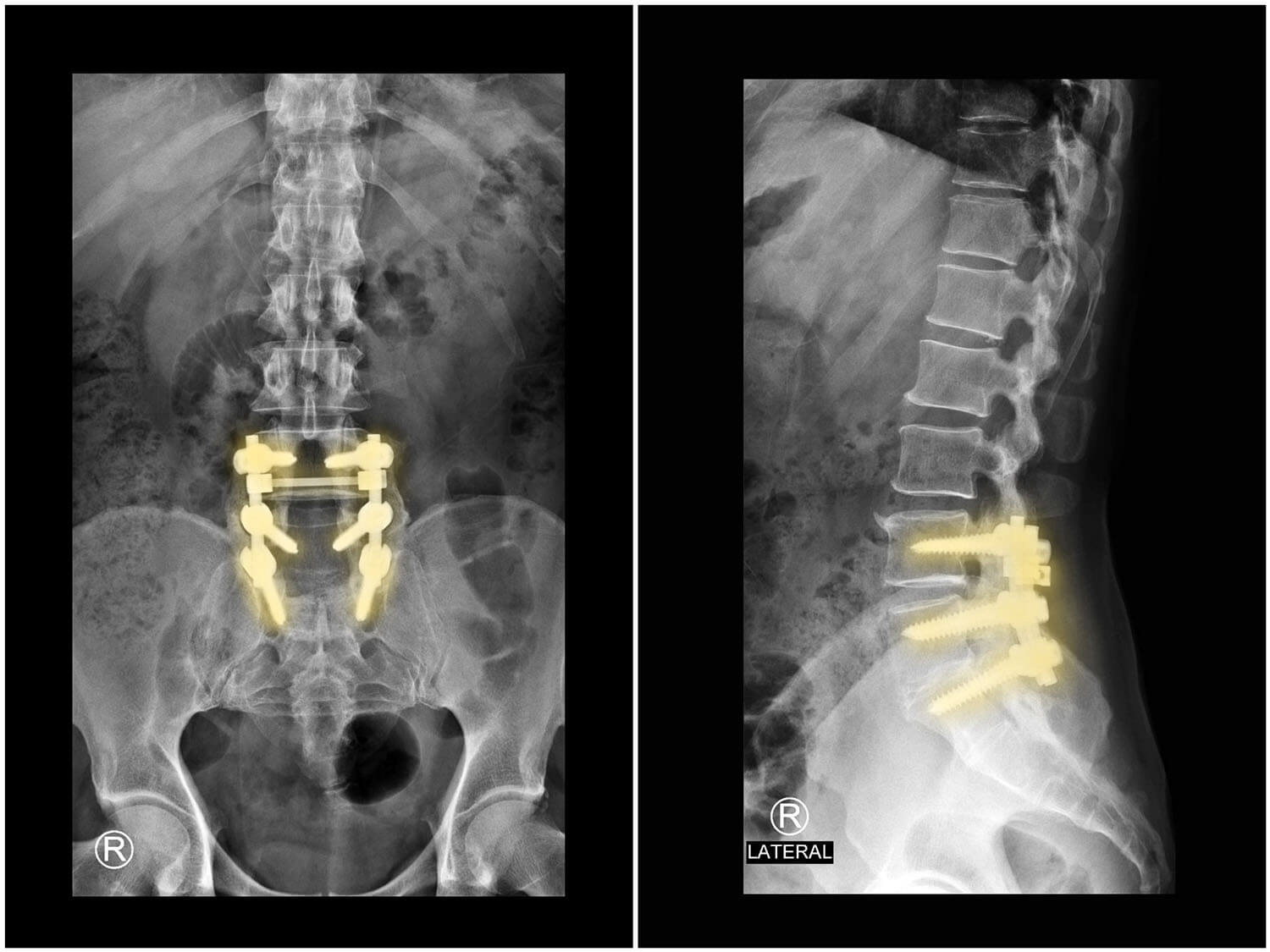
• Hardware failure
• Severe instability
• Persistent compression
• Structural collapse
However:
• Success rates decline with repeat surgeries
• Scar tissue increases
• Recovery time is longer
• Risks are higher
Many patients seek alternatives before committing to another operation.
Option 5: Non-Surgical Disc-Focused Treatment
In selected cases, treatment may focus on:
• Reducing internal disc pressure
• Improving nutrient exchange
• Restoring mechanical balance
• Decreasing nerve irritation
Non-surgical spinal decompression may be considered when imaging suggests residual disc compression rather than gross instability.
Not every post-surgical patient is a candidate. Careful evaluation is essential.
How to Decide Which Option Is Right for You
Ask:
• What is causing my pain now?
• Is this structural instability or pressure-related?
• What are the risks of another surgery?
• What are my realistic outcome expectations?
Second opinions are often valuable before committing to revision surgery.
When to Seek Further Evaluation
Consider further assessment if:
• Your pain never improved after surgery
• Pain returned months later
• You were advised to undergo another fusion
• You want to explore non-surgical alternatives
A detailed history, exam, and imaging review are critical.
Failed Back Surgery Options in Henderson, NV
Patients in Henderson, Nevada experiencing persistent pain after spine surgery may seek evaluation to determine whether conservative care, advanced non-surgical options, or referral for surgical consultation is most appropriate.
Every case requires individualized assessment.
FAQ SECTION
What is the best treatment after failed back surgery?
The best treatment depends on the cause of pain. Options may include rehabilitation, injections, spinal cord stimulation, revision surgery, or non-surgical decompression depending on imaging and symptoms.
Is a second back surgery successful?
Success rates decline with each additional surgery, especially after fusion procedures.
Can non-surgical treatment help after spinal fusion?
In selected cases, non-surgical approaches may help reduce mechanical stress or nerve irritation if instability is not severe.
Should I get a second opinion before another surgery?
Yes. Many patients benefit from a thorough evaluation before committing to revision surgery.
Spinal Decompression Therapy Explained: A Physician’s Guide to Disc Rejuvenation
Comparing treatment options after failed back surgery.
Author: Dr. Darrell C. Swolensky, D.C.
Clinic: Disc Centers of America – Henderson
Location: Henderson, Nevada
Specialty: Non-Surgical Disc Treatment